Brewer Spotlight: Sasaiwai Shuzo
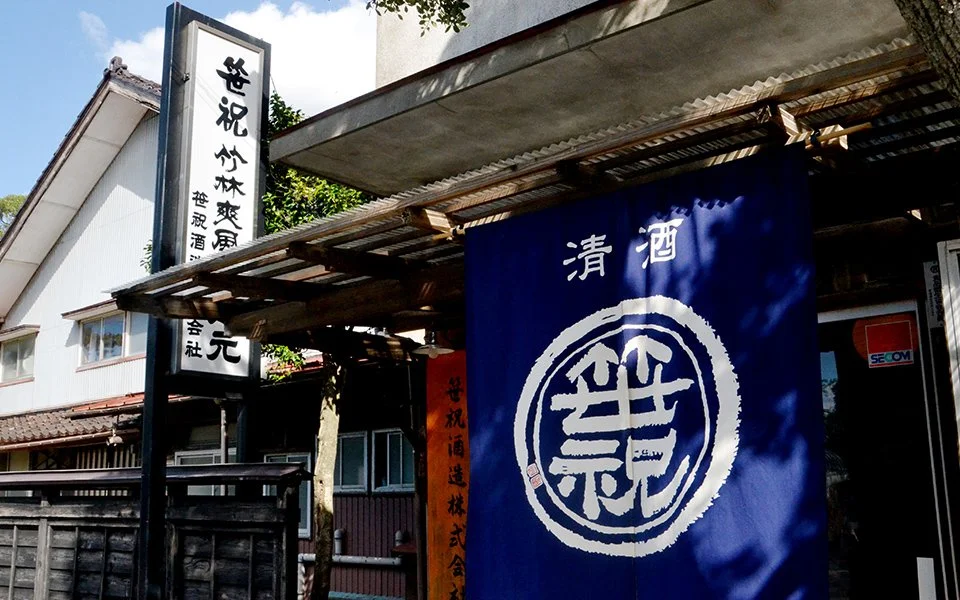
Sasaiwai Shuzo sits in the mellow residential area of Nakasendo, just outside of Niigata City
Niigata City lies at the intersection of the Agano River, the Shinano River, and the Sea of Japan. For this reason, locals affectionately call it the City of Waters. Also for this reason, Niigata prefecture is an extremely fertile area for sake rice cultivation and sake making, second highest in all of Japan in both categories. My adventures brought me to a small brewery located just outside of Niigata City, Sasaiwai Shuzo.
Ryosuke Sasaguchi’s family has operated Sasaiwai, originally called “Sasaguchi Brewery,” since 1897. As the eldest son of a prominent brewing family, Ryosuke bore an expectation to study brewing and one day become the kuramoto (brewery owner). But he didn’t study brewing; he moved to Tokyo and enjoyed his young life with no intention of brewing sake. This all changed when he began working at a small standing sake bar in Tokyo.
“They had our Sasaiwai sake there. Lots of people were drinking it with joy. I was excited that sake from my hometown, our sake, was being recognized in Tokyo. At that moment, I began to feel that I wanted to work in the sake industry."
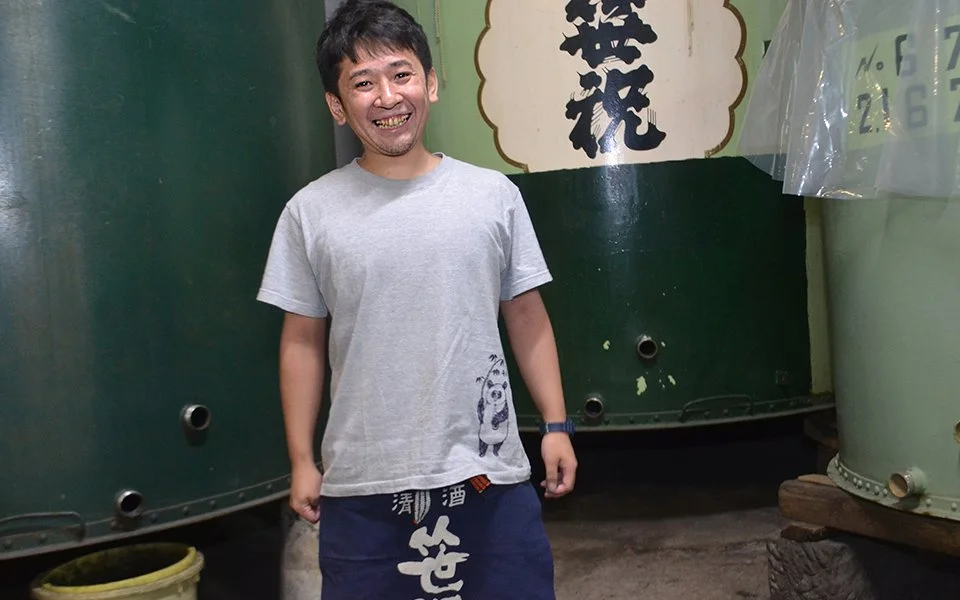
Ryosuke Sasaguchi, sixth generation kuramoto since 2018
So Sasaguchi-San moved home and took over operations of Sasaiwai Shuzo in December 2018. His leadership casts a fun, welcoming aura over the whole brewery. Sasaiwai’s bottle shop, decorated with panda cutouts and bamboo, doubles as a community bar. Here Ryosuke serves (besides sake) a rotating list of beers on tap and fun concoctions with and without alcohol.
One such N/A option: a pineapple amazake spritzer. Amazake is a sweet, thick drink made from unfermented Koji (the same moldy rice used to make sake, soy sauce, and miso). It tastes a bit like malt syrup. Ryosuke mixes this with macerated pineapple and sparkling water for a delicious, refreshing treat.
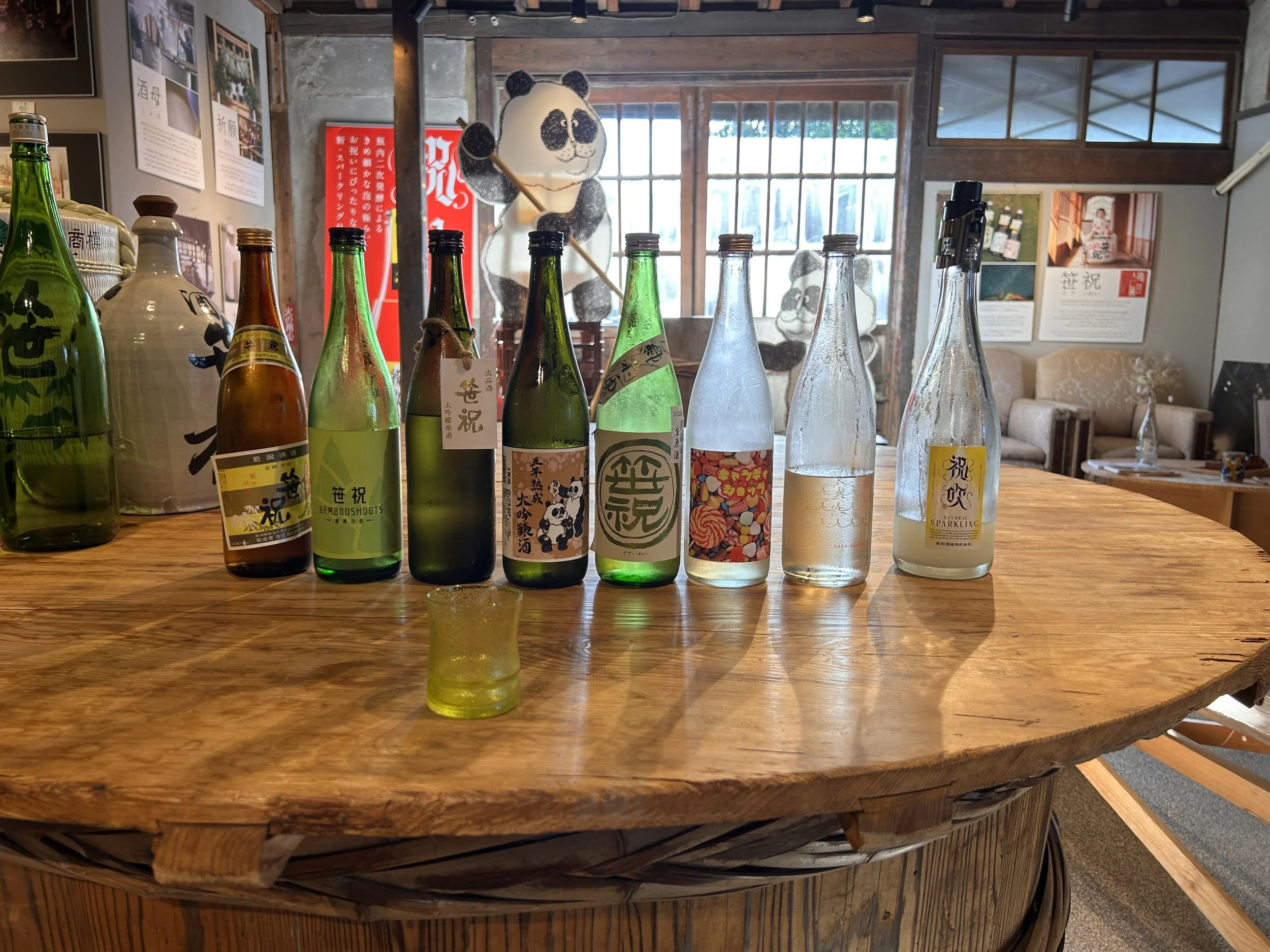
A lineup of Sasaiwai sake, along with their panda decor
Sasaiwai’s flagship sake in the United States is a futsu-shu called “Bamboo Celebration.” This rich, savory, dry sake is made with the same amazake used in the aforementioned spritzer. A little extra sweetness during the brewing process gives the yeast more to chew on, which adds a beautiful complexity to Bamboo Celebration. This 120-year-old method is called Yodan-Jikomi. Also sold in the US are “Sasa Sunday,” sweet and fruity, and “4-Rice Nishikan,” a traditional Niigata dry sake that goes down real easy.
At the end of my visit to Sasaiwai, Ryosuke gave me a gift: a book on how to make koji at home, in English and Japanese, called “Koji For Life.” I was beyond touched, especially because this book does not exist in the US and contains information rarely translated into English. I now keep it in the tasting room at Sake Desu for any curious sake lover to peruse. Thank you, Ryosuke-San.
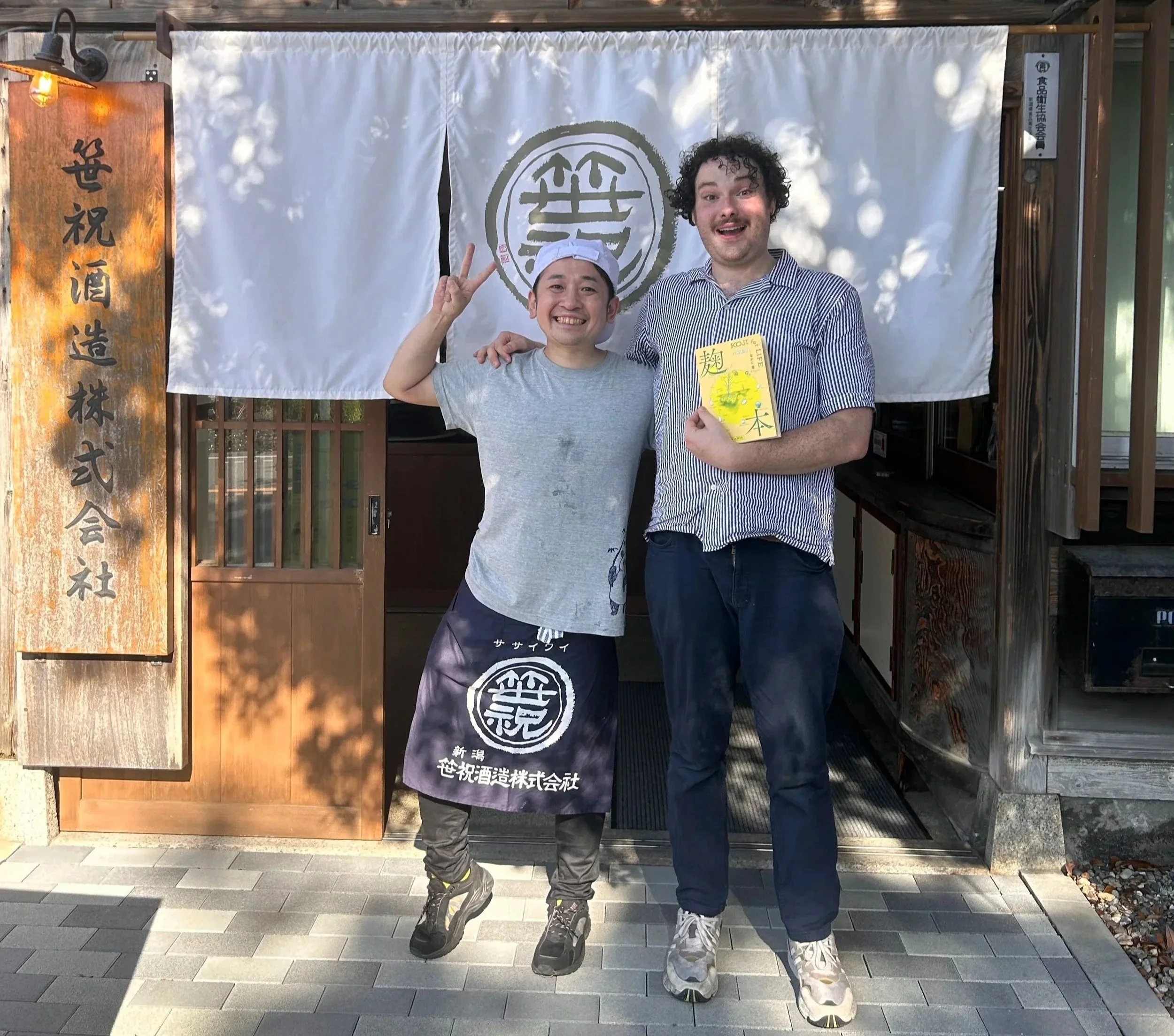
Ryosuke Sasaguchi posing with the book he gave me, Koji For Life
